
Precision monitoring of cancer
treatment
response and drug
resistance.
Our flagship precision AI platform
tracks how individual cancers respond
to treatment over time.
Detect Early
Precisely catch early drug resistance signals before clinical failure
Contextualize Cases
Instantly compare active patients to similar historical profiles
Identify Pathways
Reveal the exact biological mechanisms driving treatment failure
Forecast Timing
Estimate precisely when therapy resistance is likely to occur
Guide Adjustments
Equip oncology teams with data driven treatment adjustment decisions
Improve Survival
Extend and save lives through earlier, proactive clinical intervention
Precision Understanding of
Resistance Mechanisms
Keti Flow analyses molecular and clinical patterns associated with tumor evolution in breast, ovary and ovarian malignancies. It identifies likely resistance pathways including adaptive signaling changes and therapy escape mechanisms.
Try for free →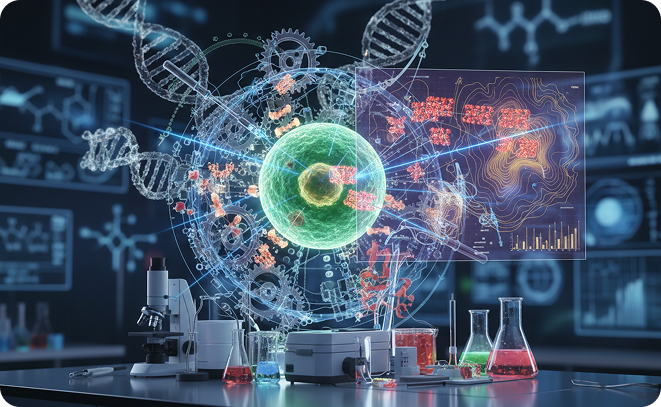
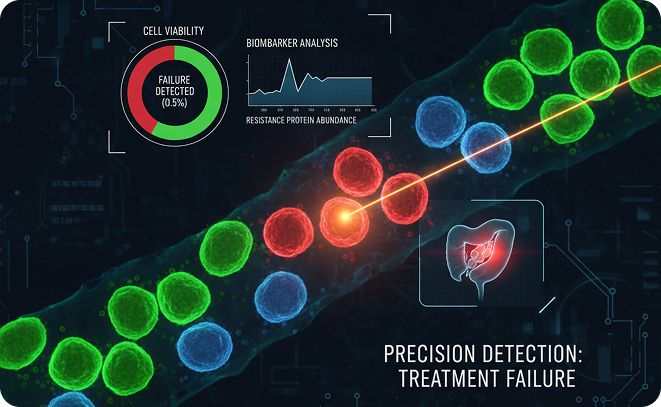
Precision Detection of
Treatment Failure
Keti Flow detects these early transition signals with precision. This enables clinicians to identify loss of treatment effectiveness long before standard imaging or symptom based evaluation can pick it up.
Try for free →The Platform Actively Supports
Clinicians In Answering:
What specific biological changes are reducing treatment effectiveness?
Is resistance driven by mutation, pathway adoption or tumor heterogeneity?
Is the current therapy still biologically valid for this patient?
When exactly should treatment be escalated or switched?
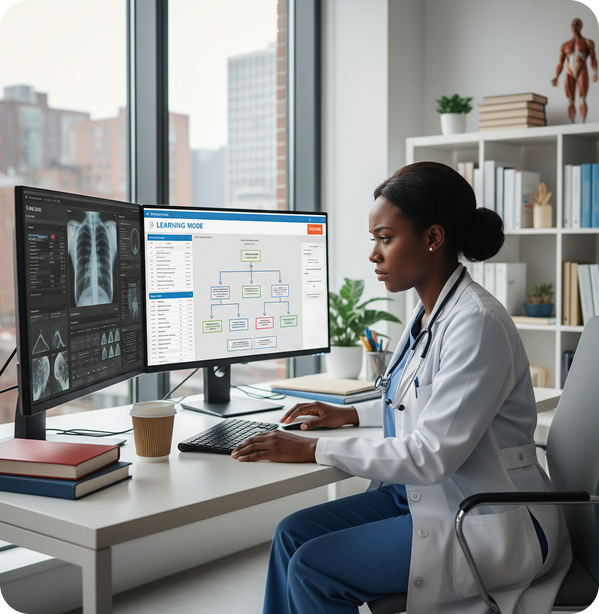

Probability of resistance based on similar historical patients
Expected time to resistance under the current therapy protocol
Treatment strategies that previously improved survival outcomes in similar cases
Intervention timing patterns associated with optimal patient recovery